Most buying decisions begin with how a toy looks. It is worth starting one step earlier, with what it is made of — because the material decides how the piece cleans, how long it lasts, and which lubricant you can safely use with it. Get the material right and everything else follows; get it wrong and no amount of features will save the purchase.
This guide covers the four materials you will actually encounter, what “body-safe” means in practice, and how to tell from a product page which one you are buying.
If you only read one thing
Find your situation, take the material in the middle column, and stop — the rest of the article explains why.
| Your situation | Choose | Why |
|---|---|---|
| First purchase, want it simple | Silicone | Non-porous, washes easily, takes any water-based lubricant |
| Budget is the priority | TPE or TPR | Cheapest per piece, but needs renewing powder and has a working life measured in months |
| Want a firmer, harder feel | ABS or hard plastic | Wipes clean, no pores, often the shell or handle rather than the whole piece |
| Want the most durable option | Borosilicate glass or steel | Non-porous and firm, and the slowest of the four to show wear |
| Not sure, and want the safe answer | Silicone | The choice you are least likely to regret |
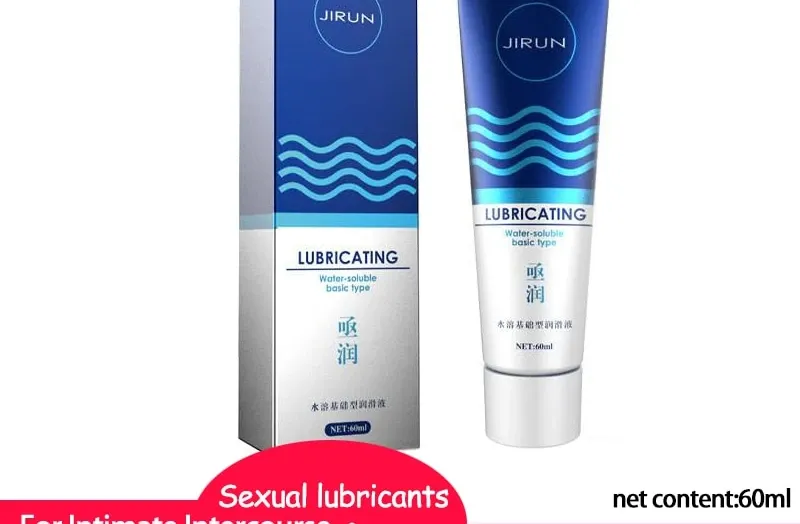
Whichever material you land on, the lubricant question is settled: water-based works with all four, and the lubricants range has the options.
Key takeaways
- Silicone is the safest default. Non-porous, easy to clean, and compatible with water-based lubricant. Most of what we stock is silicone.
- TPE and TPR are softer and cheaper but porous. They need drying after every use, renewing powder, and they have a working life rather than a lifetime.
- ABS and hard plastic appear in shells, handles and some plugs. They wipe clean and are usually part of a product, not the whole of it.
- Silicone toys must never meet silicone-based lubricant. It gradually breaks the surface down.
- “Body-safe” is not a regulated term. Judge by the named material, not by the phrase on the box.
What “body-safe” actually means
It is worth being precise here, because the phrase is used loosely.
There is no single authority that certifies a sex toy as “body-safe”. What the term means in practice is that a material does not react with the body, does not leach anything into it, and can be cleaned thoroughly enough to be used again. Three properties decide that:
| Property | What it means | Why it matters |
|---|---|---|
| Non-porous | The surface has no microscopic holes | A porous surface holds moisture and whatever came into contact with it, and can’t be fully cleaned |
| Inert | The material doesn’t react chemically | A material that reacts can leach plasticisers or degrade with use |
| Heat-tolerant | It survives warm water and normal cleaning | If it can’t be washed properly, it can’t be kept hygienic |
Silicone scores well on all three. TPE scores well on inertness and heat-tolerance but is porous, which is the single fact that shapes how you look after it. Hard plastics score well on all three but are rigid, so they appear in structures rather than in anything that needs to flex.
The practical takeaway: non-porous is better, softer is not automatically worse — but softer usually means porous, and porous means more work.
Silicone
Silicone is non-porous, which is what makes it the easiest material to keep clean. Warm water and a toy cleaner are enough, and it does not hold onto bacteria the way a porous surface can. It is firm but flexible, holds its shape, and tolerates being rinsed and dried often without losing its finish.
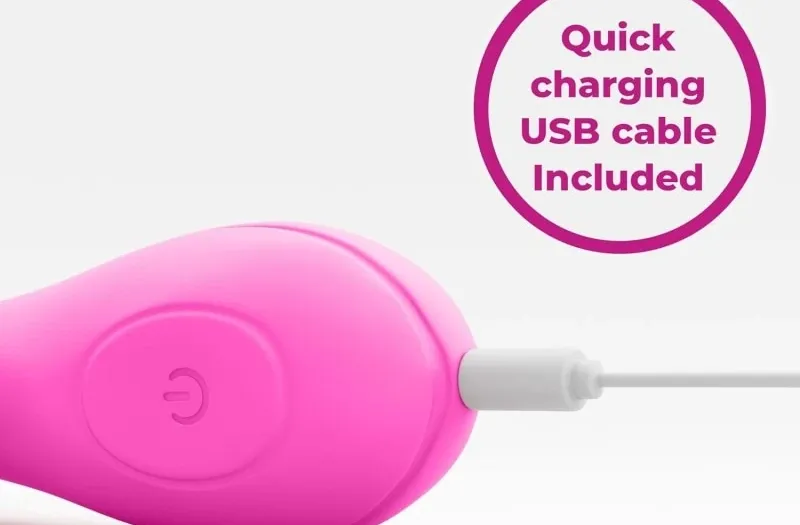
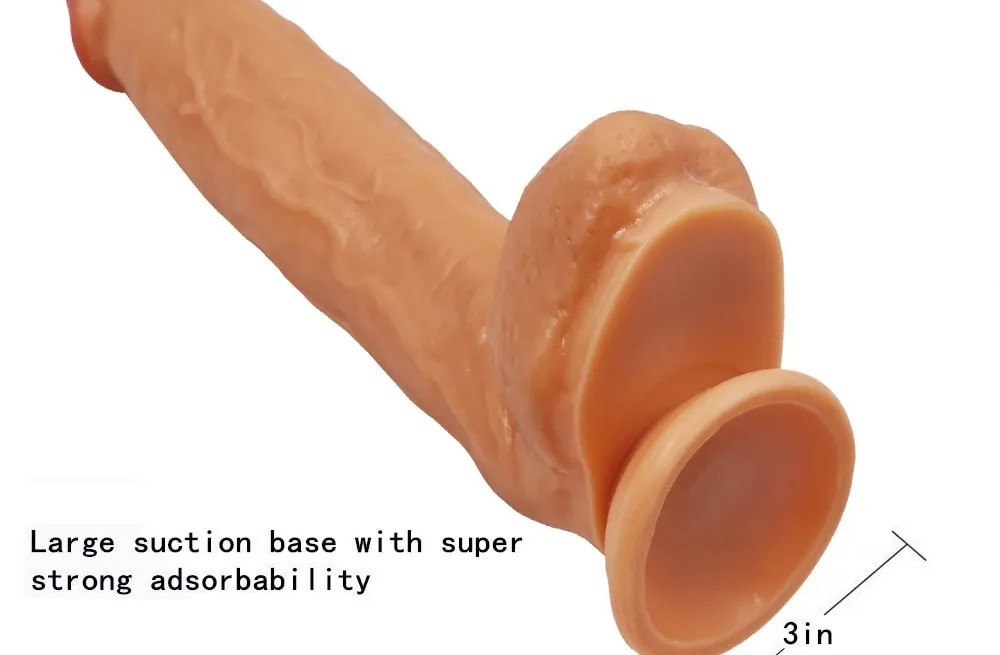
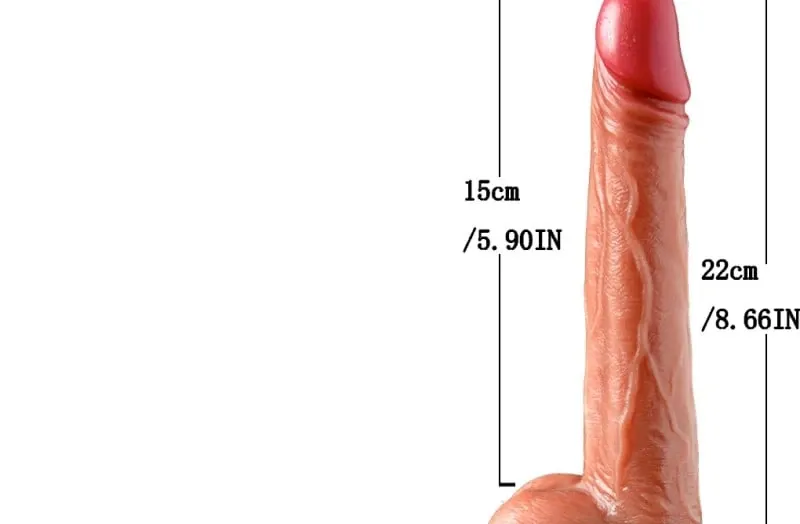
It is also the most common material in the parts of a toy that matter most. Most of the vibrators and dildos we stock are silicone, because the alternative is a material that needs replacing sooner.
The one rule about silicone
Silicone toys pair with water-based lubricant. A silicone-based lubricant can begin to break down a silicone surface over time — the two materials are chemically similar enough that they interact, and the result is a surface that gradually goes sticky and dull.
This is the most common compatibility mistake in this category, and it is worth repeating: if the toy is silicone, the lubricant is water-based. Our lubricants category states what each formula is compatible with.
How to tell silicone from TPE
They can feel similar in the hand, but the difference shows up in use:
| What you notice | Silicone | TPE |
|---|---|---|
| After washing | Unchanged | Slightly tacky until powdered |
| Surface over months | Stable for years | Gradually softens and dulls |
| Dust and lint | Doesn’t attract much | Attracts and holds it |
| Silicone lubricant | Damages it (avoid) | Also avoid |
| Price | Higher | Lower |
If a manufacturer doesn’t state the material, that’s the answer you need: a genuine silicone product names it, because it’s the selling point.
TPE and TPR
TPE (thermoplastic elastomer) and TPR (thermoplastic rubber) are softer and more skin-like than silicone, which is why they’re common in torso forms and sleeves — the shapes where a realistic density matters more than longevity.
They are porous, so they need more care than silicone:
- Wash after each use — no exceptions, and no leaving it until morning.
- Dry it thoroughly. This is the step that decides its lifespan. A damp TPE item stored in a case is where the damage happens.
- Dust it with renewing powder to stop the surface going tacky. Without it, TPE gradually bonds to itself and collects lint.
- Keep it away from other TPE and from silicone items for long periods — surfaces in prolonged contact can react.
Treat a TPE piece as something with a working life rather than a lifetime. How long that life is depends mostly on drying. The full routine is in cleaning and storing your toys, and there’s a sleeve-specific version in how to clean a masturbator sleeve.
Is TPE a bad choice?
No — and it’s worth saying so plainly, because some guides treat porous material as a defect.
TPE is the reason a torso doll feels like one and a sleeve feels like one. Silicone can’t replicate that density at a reasonable price. If you want a realistic-feeling product, you are choosing TPE, and the trade-off is a cleaning routine and a shorter working life. That is a fair trade if you go into it knowing the maintenance — and a bad one if you expected it to behave like silicone.
ABS and hard plastics
Hard plastic and ABS appear in shells, handles, charging bases, and in some plugs and beads. They are non-porous, easy to wipe clean, and rigid.
Where a toy combines materials — a silicone sleeve on an ABS core, a hard shell around a motor — clean it to the standard of the softest part. The rigid housing can’t be damaged by water, but the sleeve inside can be, and the rigid parts usually can’t be immersed at all if they contain electronics.
This matters most on automatic products. A rechargeable cup’s motor housing should be wiped, never immersed, even when the product claims a waterproof rating. See how to clean a masturbator sleeve for how that works in practice.
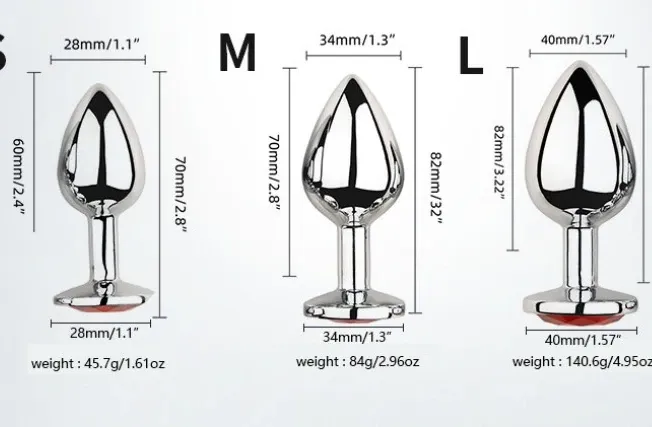
Glass, steel and aluminium
Less common, but worth covering because they show up in plugs and in some massagers.
| Material | Cleaning | Notes |
|---|---|---|
| Borosilicate glass | Warm water, toy cleaner, air dry | Non-porous. Check for chips before each use — a chipped edge is a safety issue |
| Stainless steel | Warm water, toy cleaner, dry immediately | Non-porous and firm. Dry it to avoid water spots |
| Aluminium | Wipe or wash, dry | Lighter than steel; check the surface finish is smooth |
| Coated metal | Follow the coating’s own care | A plated finish can wear, revealing whatever is underneath |
These materials are non-porous like silicone, so they’re easy to keep clean. Their trade-off is weight and temperature — metal takes on the temperature of its surroundings, which is why a rinse in warm water before use is a common step.
Matching the lubricant to the material
Compatibility is not a suggestion; it’s the thing most likely to damage a toy. The whole rule fits in a table:
| Toy material | Water-based | Silicone-based | Oil-based |
|---|---|---|---|
| Silicone | Yes | No — degrades the surface | Depends on the formula; avoid unless stated |
| TPE / TPR | Yes | Sometimes; test a small area | Often used with TPE, but check |
| ABS / hard plastic | Yes | Yes | Yes |
| Glass / steel | Yes | Yes | Yes |
| Latex condoms | Yes | No | No |
Water-based is the safe default for everything in our catalogue. It washes off with water, it works with every material we stock, and it doesn’t carry the compatibility risk. Its one drawback is that it dries out sooner, so you reapply — which is normal, not a fault.
Reading a product page properly
Before you buy, a listing should let you answer these seven questions. If it can’t, that’s information about the seller.
- Is the material named exactly? “Body-safe material” is not an answer. “Medical-grade silicone” or “TPE” or “ABS” is.
- What lubricant does it take? If it’s silicone, the answer is water-based.
- How does it clean? Washable, or wipe-only? Removable parts, or sealed?
- What are the measurements? In centimetres, not S/M/L.
- What powers it? Rechargeable, battery, or manual? Manual means silent and no charging.
- What’s the waterproof rating? IPX6 or IPX7 means washable; nothing listed means wipe-only.
- What’s the returns window? Fourteen days on unopened items is the normal standard.
We put these on every product page for exactly this reason. Our category pages also carry buying notes at the top, so you can compare within a type before opening individual listings.
A quick checklist
- Check the material is stated as body-safe — and named.
- Match the lubricant to the material, above all for silicone.
- Work out how you will clean it before you buy it.
- For anything porous, plan to dry it fully and to replace it sooner.
- For anything with electronics, expect to wipe rather than immerse.
- If you’re unsure, ask before ordering.
If you are still deciding, the FAQ covers the questions we are asked most often, and you can always message us with a specific product — a straight answer costs nothing.
Where to go next
| If you want to | Read this | Or browse |
|---|---|---|
| Buy in Oman, and know what arrives | How to buy sex toys in Oman | Shop |
| Clean by material | Cleaning and storing your toys | Essentials |
| Care for a sleeve specifically | How to clean a masturbator sleeve | Male masturbators |
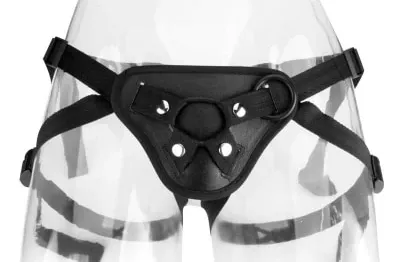
| Match a harness and dildo | Getting the fit right | Dildos |
| Choose a vibrator type | Bullet, rabbit or wand | Vibrators |
| Wear a cock ring safely | How to wear a cock ring safely | Cock rings |
| Match the lubricant to the material | How to choose a lubricant | Lubricants |
| Choose a torso doll or TPE piece | Torso doll guide | Male masturbators |
The short version: non-porous materials are easier to live with, silicone is the safest default, water-based lubricant works with everything, and the material you choose decides how much maintenance the product asks of you. Pick the material for the life you’ll actually give the toy.