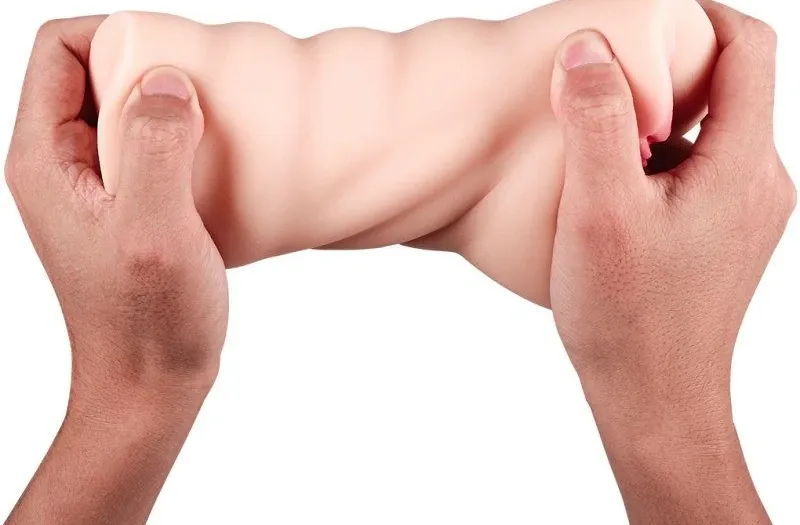
A masturbator sleeve is the one product in this category where cleaning decides how long it lasts. Rinse it and dry it after every use and it will keep its surface for years. Skip the drying and it will start to turn tacky, then sticky, then unusable — and the surface is not something you can repair once it goes.
This is the routine we’d give a friend, in the order that matters.
If you only read one thing
The routine is short. The drying is the part people skip.
| Your situation | Do this | Why |
|---|---|---|
| After every use | Rinse, clean, then dry fully | Drying is the step that decides how long the sleeve lasts |
| Porous material (TPE, TPR) | Dry, then renewing powder | Stops the surface going tacky |
| Non-porous sleeve | Dry — no powder | Powder leaves a film a non-porous surface does not want |
| Automatic cup | Remove the sleeve; wipe the housing | Never immerse the motor |
| Between uses | Store dry, in its own space | Trapped moisture is what shortens the life |
| Not sure whether to replace it | Tacky after powdering, or torn | Those are the two signals, covered in full below |
Key takeaways
- Drying matters more than washing. A rinsed sleeve that stays damp is where the damage happens.
- Use a dedicated toy cleaner or plain warm water — not household soap, which leaves a residue on the surface.
- TPE and TPR sleeves need renewing powder to stop the surface going tacky. Silicone does not.
- A sleeve with a removable, open-ended channel dries in minutes. A single closed mould can take a day and never fully dries inside.
- Replace a sleeve when the surface is torn, tacky after drying, or visibly changed. That is not a cleaning problem any more.
The five-minute routine
Do this after every use. It takes less time than the alternative.
- Separate the parts. Take the sleeve out of its case or shell. The outer housing rarely needs more than a wipe, and the sleeve needs the attention.
- Rinse with lukewarm water. Warm, not hot. Run water through the channel from the open end. Hot water can dull a TPE surface and is unnecessary for cleaning.
- Wash with a toy cleaner. A dedicated cleaner, applied inside and out, with your fingers. If you don’t have one, plain warm water and a soft cloth is a reasonable fallback. Avoid household soap, which leaves a film that feels grippy on the next use.
- Rinse again, thoroughly. Any cleaner left behind is worse than none, particularly on a surface that will be used internally.
- Dry it completely. This is the step people rush. See below — it gets its own section because it is the one that decides the sleeve’s lifespan.
- Powder it if it is TPE. A light dusting of renewing powder, inside and out, keeps the surface from going tacky and stops the sleeve sticking to itself in storage.
Why drying is the step that matters
A porous sleeve holds water in the material, not just on it. Put a damp sleeve back in its case and you’ve created a warm, dark, humid environment — which is exactly what you don’t want growing in something that will be used on the body.
There are two things you can do about it:
- Dry it before it goes away. Pat the outside with a lint-free cloth, then let air move through the channel.
- Choose a sleeve you can actually dry. This is a buying decision, not a cleaning one, and it’s the most useful thing in this article. A sleeve with a removable inner channel that opens at both ends dries in minutes on a towel. A single closed mould has one opening, no airflow, and can still be damp the next day no matter what you do.
If you’re choosing between two sleeves and everything else is equal, pick the one that comes apart. It’s the difference between a product you’ll keep and one you’ll replace.
Airflow, and where to leave it
Where you dry a sleeve matters as much as how. Water needs somewhere to go.
| Method | Works? | Notes |
|---|---|---|
| On a clean towel, open ends facing out | Yes | Best for removable-channel sleeves; dries in minutes |
| Standing upright on a drying stand | Yes | Good for closed sleeves; lets water drain down and out |
| Inside its case | No | Traps moisture — this is what ruins sleeves |
| Sealed in a bag while damp | No | The worst option; do not store a sleeve until it’s dry |
| On a radiator or in direct sun | No | Heat distorts TPE and can crack silicone |
If you use a closed-mould sleeve regularly, a small drying stand is genuinely worth buying. It’s the cheapest way to extend the life of the most expensive item in your drawer — the storage and care range covers both the stand and the pouches.
Renewing powder, and which materials need it
Not every material behaves the same way, and treating them the same is how people damage things.
| Material | Needs powder? | Cleaning notes |
|---|---|---|
| TPE / TPR | Yes | Porous. Wash, dry fully, then dust with renewing powder. Will go tacky without it. |
| Silicone | No | Non-porous. Warm water and cleaner, air dry. Powder is unnecessary and can leave a film. |
| ABS / hard plastic (shells, cases) | No | Wipe with a damp cloth. These don’t need the routine the sleeve does. |
| Combination (silicone sleeve on an ABS core) | Sometimes | Clean to the standard of the softest part — treat the sleeve as TPE if you’re unsure. |
Renewing powder is not talc and is not a cosmetic powder; it’s made for this purpose. A light dusting is enough — you’re stopping the surface from self-bonding, not coating it.
Storing it between uses
Once it’s fully dry, storage is simple:
- Keep it in its case or a clean pouch, not loose in a drawer where it will pick up lint and dust.
- Keep TPE away from other TPE and from silicone for long periods — surfaces in prolonged contact can react and bond.
- Store it somewhere cool and out of direct light. Heat is the enemy of TPE.
- If you share a home, a lockable case does double duty: it protects the material and keeps the contents private. Our storage and care range covers cases and pouches.
Cleaning the outer housing
The sleeve gets the attention, but the housing needs a wipe too. A damp cloth around the outside, the cap and the opening is enough.
If your sleeve came with a motor unit — an automatic cup rather than a manual sleeve — never immerse the motor section in water, even if the product is rated waterproof. Wipe the housing, remove and wash the sleeve only.
Rechargeable units should be charged before storage rather than left flat for months; a battery left empty for a long time is one that stops holding charge.
Automatic cups versus manual sleeves
The two need slightly different routines, and the difference is worth knowing before you buy either.
| Manual sleeve | Automatic cup | |
|---|---|---|
| What gets washed | The whole sleeve | The removable sleeve only |
| Motor care | None — no electronics | Wipe only; never immerse |
| Drying time | Fast if the channel opens at both ends | Depends entirely on the sleeve design |
| Charging | Not applicable | Charge before storing, not after draining it flat |
| Noise | Silent | Motor noise, varies by model |
| Failure mode | Surface goes tacky | Battery or motor eventually gives out |
Neither is better. A manual sleeve has nothing to break and nothing to charge, which also makes it the quieter option and the easier one to travel with. An automatic cup does more of the work but adds a battery and a motor to look after — and those are the parts that fail first, not the sleeve.
In the shop that split looks like this: the manual sleeves are the ones with nothing to charge, while an automatic telescopic model is the other end of the same decision.
What matters for cleaning is the same in both cases: the sleeve comes out, and the sleeve gets dried properly. On a manual sleeve that’s the whole product. On an automatic cup it’s the only part you can wash freely.
Cleaning after the first use, not just after
A new sleeve has been handled and packed on its way to you, and it will have a light manufacturing film on the surface. Wash it before the first use exactly as you’ll wash it afterwards — rinse, clean, rinse, dry, powder if it’s TPE.
Doing this once at the start means the routine is already established, and the first wash is the easiest one to remember to do.
How often is often enough
After every use, without exception. This isn’t a preference.
A porous sleeve doesn’t just hold water; it holds whatever it came into contact with. Leaving it overnight and cleaning it the next morning is the single most common way people shorten a sleeve’s life, because the material has been sitting damp for hours by the time anyone gets to it.
If you can’t clean it immediately, the next best thing is to at least rinse it and leave it somewhere air can reach it. A rinsed sleeve drying on a towel overnight is far better than an unrinsed one sealed in its case.
When to replace it
No cleaning routine saves a sleeve that has reached the end of its life.
| Signal | What it means | What to do |
|---|---|---|
| Surface is torn, split or pitted | Damage that cleaning cannot reach into | Replace |
| Stays tacky even after powdering | The material has broken down; powder no longer holds it | Replace |
| Changed colour or smell and cleaning does not fix it | Material degradation | Replace |
| Lost its shape and no longer feels like the product you bought | Structural wear | Replace |
| Tacky, but powder fixes it each time | Normal for TPE | Keep — this is the routine working |
TPE has a working life. Treating it as a consumable rather than a permanent purchase is the honest way to think about it — and how long that life lasts is mostly decided by how well it was dried.
If you are replacing it, the male masturbators range lists the cleaning method and whether the sleeve separates on each product — which is the specification that decides how easy the next one is to look after.
Buying your next sleeve
If you’re replacing a sleeve because it went tacky rather than wore out, the fix isn’t a new product — it’s the drying routine above. If you’re replacing it because it was difficult to keep clean in the first place, look for a removable, open-ended channel next time. Our male masturbators category lists the cleaning method on every product, and the wider guide to body-safe materials explains what each one needs.
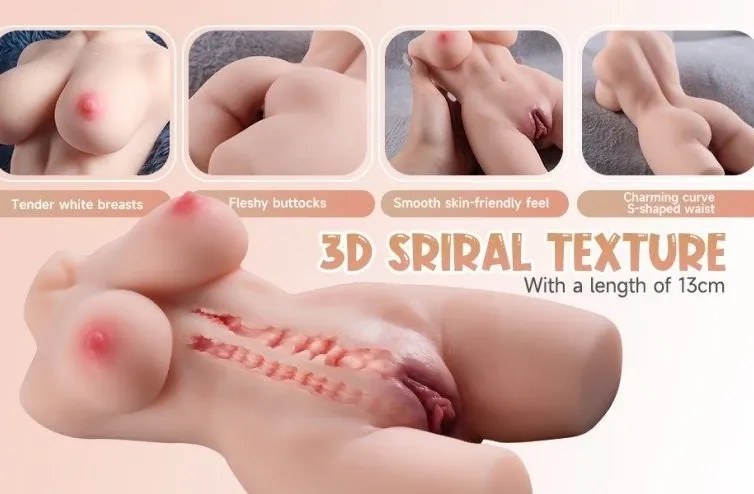
For the wider picture on materials, see how to choose a body-safe toy, if you are comparing vibrator types instead, bullet, rabbit or wand covers that, and the torso doll guide covers the larger versions of the same category. If you have a question about a specific sleeve — whether it separates, how it dries, what it’s made of — message us before ordering from the contact page. A straight answer is cheaper than a wrong purchase.
The short version
Rinse with lukewarm water, clean with a toy cleaner, rinse again, dry it completely, powder it if it’s TPE, and store it dry and out of the light. If you take one thing from this article, take the drying: it’s the difference between a sleeve that lasts years and one that lasts months.