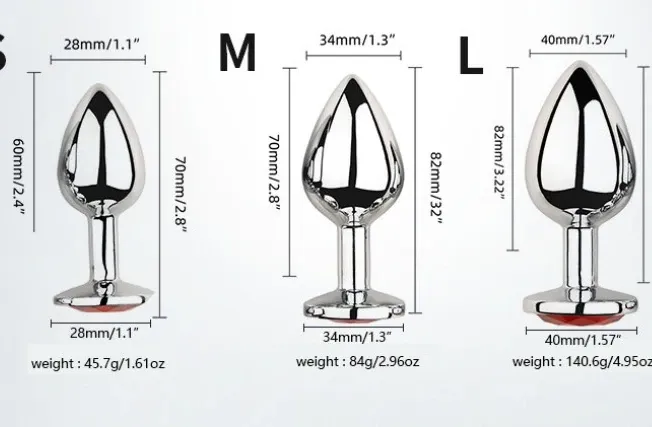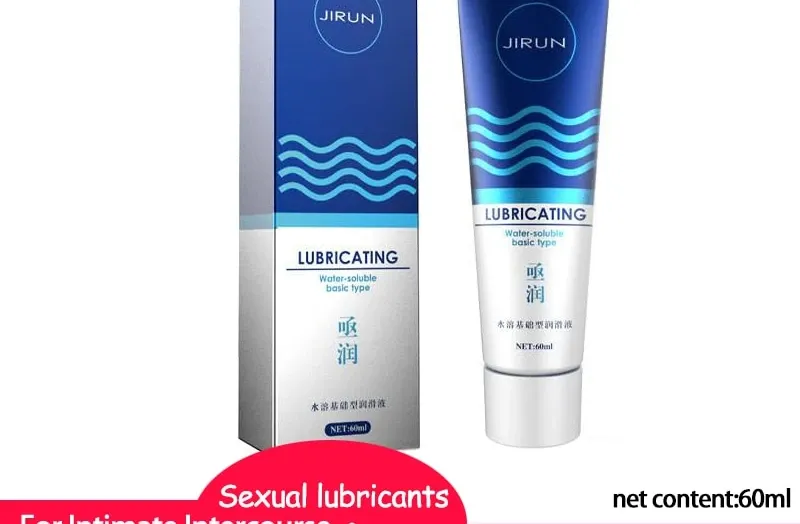
Lubricant is the cheapest thing you can buy that improves everything else you already own — and it is the product people most often buy wrong. The mistake is almost always the same: choosing a silicone-based lubricant to use with a silicone toy, and discovering months later that the toy’s surface has gone sticky and dull.
This guide covers the three types, what each one works with, and how to pick the right bottle.
If you only read one thing
Find your situation, take the type in the middle column, and stop — everything below explains why.
| Your situation | Choose | Why |
|---|---|---|
| Any silicone toy | Water-based | The only type that will not break down a silicone surface |
| Latex condoms | Water-based | Oil-based degrades latex |
| No toys involved, want it to last | Silicone-based | Does not dry out the way water-based does |
| Using it with a TPE or glass toy | Either | Both are safe here — pick on how long you need it to last |
| First purchase, unsure | Water-based | Works with everything, washes off with water, hardest to get wrong |
| Packing it for travel | Silicone-based | Does not need reapplying as often |
Key takeaways
- Water-based is the safe default. It works with every toy material and with latex condoms, and it washes off with water.
- Never use silicone lubricant on a silicone toy. It gradually breaks the surface down.
- Silicone lubricant lasts longer and is a good choice for non-silicone toys and for use without toys.
- Avoid warming, cooling and numbing additives on a first purchase. They are the most common cause of an uncomfortable experience.
- You will use more than you expect. A 60 ml bottle is a starter size, not a long-term supply.
The three types, and the one rule that matters
| Type | Works with | Avoid with | Lasts |
|---|---|---|---|
| Water-based | Everything — silicone, TPE, glass, steel, latex condoms | Nothing | Dries out; reapply |
| Silicone-based | Glass, steel, TPE, latex-free condoms | Silicone toys | Much longer |
| Oil-based | Glass, steel, some TPE | Latex condoms, silicone toys | Long |
If you remember one line from this article, make it this one:
If the toy is silicone, the lubricant is water-based.
That single rule prevents the most common and most expensive mistake in this category. Our lubricants category states what each formula is compatible with.
Water-based: the safe default
Water-based lubricant is the one that works with everything. It pairs with silicone, TPE, ABS, glass and steel toys, and with latex condoms. It washes off with water, which also makes cleanup simple.
| What it does well | Its one drawback |
|---|---|
| No compatibility risk — you cannot damage a toy with it | It dries out as it is used, so you reapply. That is normal and not a fault of the product — it is how a water-based formula behaves |
| Washes off easily — with water, and from skin, sheets and clothing | How much to use: more than you think. Most people under-use lubricant by a wide margin, and then conclude the product was poor rather than that they used too little |
| Safe with condoms, which matters if you are using them | — |
| No staining on fabric in normal use | — |
Keep the bottle within reach rather than putting it away.
Water-based and toys
Because water-based works with everything, it is the answer for silicone toys, TPE toys, anal toys and anything with a harness. If you only ever buy one bottle, buy this one.
Silicone-based: long-lasting, with one hard rule
Silicone-based lubricant lasts far longer than water-based — it does not dry out in the same way, so a small amount goes a long way. For use without toys it is often the preferred choice.
Its hard rule: never on a silicone toy. Silicone lubricant and silicone toys are chemically similar enough that they interact, and the result is a surface that gradually softens, dulls and goes sticky. The damage is not immediate, which is what makes it easy to miss until the toy is spoiled.
| Safe with silicone-based lubricant | Never with silicone-based lubricant |
|---|---|
| Glass toys | Silicone toys |
| Stainless steel toys | Silicone-textured sleeves |
| TPE and TPR toys | Latex condoms |
| Use without a toy |
If you own both silicone toys and silicone lubricant, keep them in separate places so the wrong bottle is not the one within reach.
Oil-based: the one to be careful with
Oil-based lubricants last a long time, which is why they appear in some formulas. They come with two constraints:
- They degrade latex condoms. If you are using latex, oil-based is not an option.
- They are not compatible with all toy materials. In particular, avoid them with silicone toys.
Beyond that, oil-based formulas vary a lot. Some are made for massage, some for intimate use, and they are not interchangeable. If you are unsure what a formula is for, that is a reason to choose water-based instead.
What to avoid on a first purchase
Reading the label matters more than the brand. These ingredients are worth avoiding, particularly for a first experience:
| Additive | Why to skip it |
|---|---|
| Warming agents | Can cause a burning or tingling sensation that is unpleasant rather than pleasant |
| Cooling agents | The same problem in reverse |
| Numbing agents | Mask sensation, which is the opposite of what you want when you are learning what you like |
| Heavy fragrance | A common irritant; unnecessary in a product used on sensitive skin |
| Glycerin (if prone to irritation) | Some people find it irritating; a glycerin-free formula avoids the question |
A plain water-based formula with a short ingredient list is the better first purchase in every case.
How to actually use it
Three practical points that change the outcome more than the brand does:
- Use more than feels necessary. A thin film is not enough. This is the single most common reason people are disappointed by a product.
- Reapply rather than waiting. With water-based, dryness means reapply — not “it has stopped working”.
- Apply to both surfaces, not just one. For toys, a little on the toy and a little on the body works better than all of it in one place.
Bottle size, and what to buy
| Size | Good for | Notes |
|---|---|---|
| 50–60 ml | A first purchase, or a travel bag | Our standard size; enough to judge whether you like the formula |
| 100–200 ml | Regular use | Better value per millilitre |
| 250 ml+ | Households using it often | Only if you know you like the formula |
Buy small first. The formula matters more than the volume — a large bottle of something you do not like is worse value than a small bottle of something you do. And check the expiry date: water-based lubricant does have a shelf life.
Storage
Keep it closed, upright, at room temperature and out of direct sunlight. Water in the bottle makes it susceptible to contamination over time, so avoid decanting it into a container you have not cleaned, and do not share an open bottle between people.
If it changes colour, smell or consistency, replace it. Lubricant is not expensive, and it is not a product to use past its condition.
Lubricant and cleaning
One of the practical advantages of water-based is that it complicates cleaning least — it rinses away with the rest of the routine. Silicone-based lubricant takes more effort to remove from a toy surface, which is another reason water-based is easier to live with.
For the full toy-cleaning routine by material, see cleaning and storing your toys.
Compatibility, in one table
| Water-based | Silicone-based | Oil-based | |
|---|---|---|---|
| Silicone toys | Yes | No | No |
| TPE / TPR toys | Yes | Usually | Often |
| Glass / steel toys | Yes | Yes | Yes |
| Latex condoms | Yes | No | No |
| Latex-free condoms | Yes | Yes | Check the formula |
| Dries out | Yes — reapply | No | No |
| Washes off with water | Yes | Less easily | No |
That table is the whole decision. Everything else — brand, bottle design, flavour — is preference.
Buying checklist
- Water-based, unless you have a specific reason to choose otherwise.
- Plain formula — no warming, cooling, numbing or heavy fragrance.
- Short ingredient list.
- A small bottle first, to test the formula.
- A compatible formula for the toys you already own.
If you are unsure whether a formula suits a specific toy you have, ask before ordering — the contact page is there for that, and how to buy sex toys in Oman covers how ordering and delivery work here.
Questions people ask first
Which lubricant should I buy first? Water-based. It works with everything and cannot damage a toy.
Can I use silicone lubricant with a silicone toy? No. It gradually breaks the surface down. If you are not certain which material your toy is, how to choose a body-safe toy explains how to tell.
Why does mine need reapplying? Because it is water-based and water evaporates. That is normal — just reapply.
Is water-based safe with condoms? Yes, with both latex and latex-free.
How much should I use? More than you think. Under-use is the most common reason lubricant disappoints.
Does it expire? Yes. Check the date and replace anything that has changed colour, smell or consistency.
Can I use it with a TPE toy? Yes — water-based works with TPE, and it is the safest choice there too.
The short version
Buy water-based first: it works with every toy material and with condoms, and it cannot damage anything. Avoid silicone-based on silicone toys — that is the one rule that costs people a product. Skip the warming and numbing additives, buy a small bottle before committing to a large one, and use more than feels necessary.
For the material side of the same decision, see how to choose a body-safe toy, and for the cleaning routine, cleaning and storing your toys.