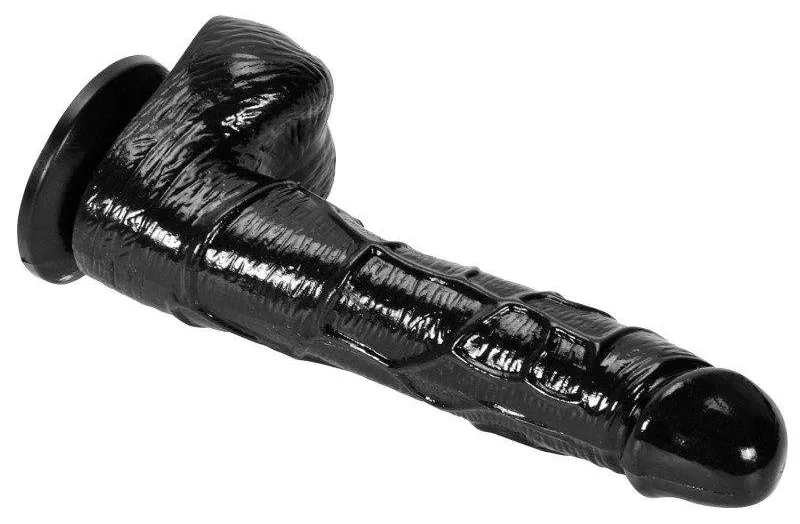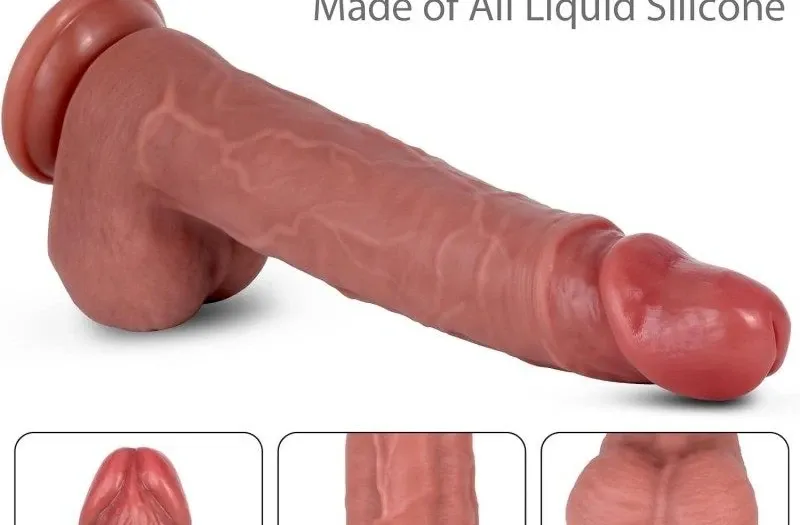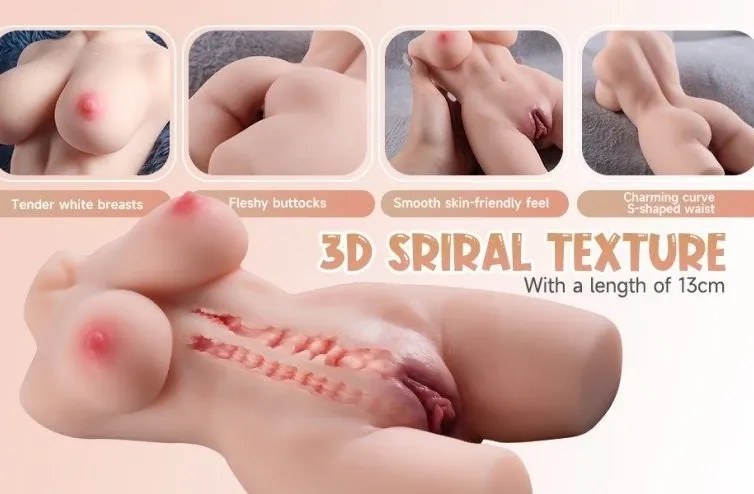
A toy that is cleaned after every use and stored dry will keep the surface it arrived with for years. The same toy left damp in a drawer will go tacky, collect lint, and reach the end of its useful life in months. The difference is not the quality of the product — it is a five-minute routine that most people are never taught.
This is that routine, by material, plus the storage habits that decide whether a toy is still good in two years.
If you only read one thing
Find your material, follow the middle column, and you are done.
| Your material | Routine | Why |
|---|---|---|
| Silicone, metal, glass | Warm water, toy cleaner, air-dry | Non-porous — the easy category, and no powder needed |
| TPE or TPR | Wash, then dry fully, then renewing powder | Porous, so it holds water inside the material and goes tacky without powder |
| Anything with a motor | Wipe the housing; never immerse it | The motor is the part that fails first |
| Combination pieces | Clean to the standard of the softest part | The softest material sets the requirement |
| Storage | Dry, separate, away from heat and light | Silicone and TPE in contact can react and bond |
| Before first use | Wash it, not just after | It has been through a warehouse and a courier |
Key takeaways
- Wash before the first use as well as after. Anything that arrived in a box has been handled on the way to you.
- Drying matters more than washing. A rinsed toy stored damp is where damage happens.
- Match the method to the material — silicone and metal are easy; TPE and other porous materials need drying plus renewing powder.
- Never immerse anything with a motor, even if it says waterproof.
- Store it dry, out of the light, and apart from other soft materials — and if you share a home, a lockable case does double duty.
Wash before the first use, not just after
Anything that arrives in a box has been handled on its way to you — by the factory, by whoever packed it, by a courier. A rinse with warm water and a dedicated toy cleaner before the first use is the same step you will repeat afterwards, so it is worth getting the routine right once rather than improvising it later.
It also matters for a second reason: a new silicone or TPE surface often carries a light manufacturing film. Washing it off before first use means the surface behaves the way it is supposed to from the start.
The four-step routine
Do this after every use. It takes about five minutes.
- Separate the parts. Take removable sleeves out of housings, unscrew caps, detach anything designed to detach. What gets washed is the part that contacts the body; what gets wiped is everything else.
- Rinse with lukewarm water. Warm, not hot. Hot water can dull a TPE surface and is not needed for cleaning.
- Wash with a dedicated toy cleaner. Inside and out, with your fingers or a soft cloth. If you do not have a cleaner, plain warm water is a reasonable fallback. Avoid household soap — it leaves a film that feels grippy on the next use and is hard to rinse fully.
- Rinse thoroughly, then dry completely. Any cleaner left behind is worse than none. Then dry it properly — the next section explains why this is the step that matters.
Silicone and metal
The easiest category, which is part of why silicone is the material we recommend most often.
Warm water, a little toy cleaner, a soft cloth, then air-dry. Avoid washing silicone with harsh household soaps, which can leave a residue on the surface that is hard to remove completely.
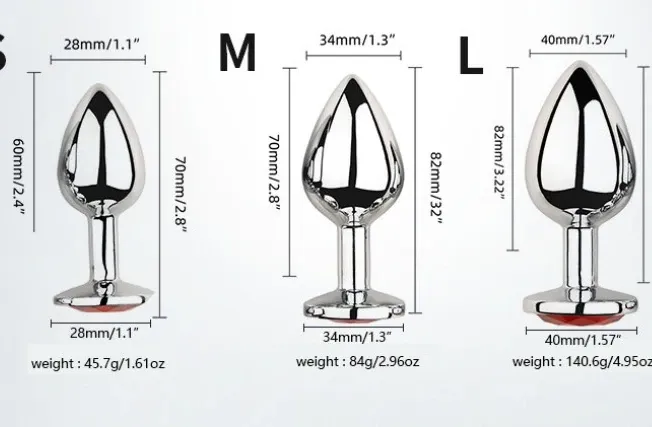
Metal pieces — stainless steel, aluminium — can be cleaned the same way, but dry them immediately rather than air-drying, to avoid water spots. Glass is the same again: non-porous, easy to clean, and worth checking for chips before each use, since a chipped edge is a safety issue rather than a cosmetic one.
None of these three materials need renewing powder. That is worth knowing, because powdering a silicone toy leaves a film it does not want.
Silicone is also the material most of our dildos and vibrators are made from, which is the practical reason the routine above is short: the material you are washing most often is the one that tolerates it best.
TPE and other porous materials
Porous materials need drying rather than just rinsing. This is the distinction that decides how long they last.
TPE, TPR and similar soft materials hold water inside the material, not just on it. Pat the surface dry, then let it air fully before putting it away — trapped moisture is what shortens the life of a TPE piece, and it is also what you least want in something that will be used on the body.
| Step | Silicone / metal / glass | TPE / TPR |
|---|---|---|
| Rinse with warm water | Yes | Yes |
| Toy cleaner | Yes | Yes |
| Household soap | Avoid | Avoid |
| Pat dry | Helpful | Essential |
| Air-dry fully before storing | Yes | Critical |
| Renewing powder | No — leaves a film | Yes — stops it going tacky |
| Separate from other soft materials in storage | Helpful | Yes — can react and bond |
A light dusting of renewing powder keeps the surface from turning tacky. It is not talc, and it is not a cosmetic powder — it is made for this purpose. A small amount is enough; you are stopping the surface from self-bonding and holding lint, not coating it.
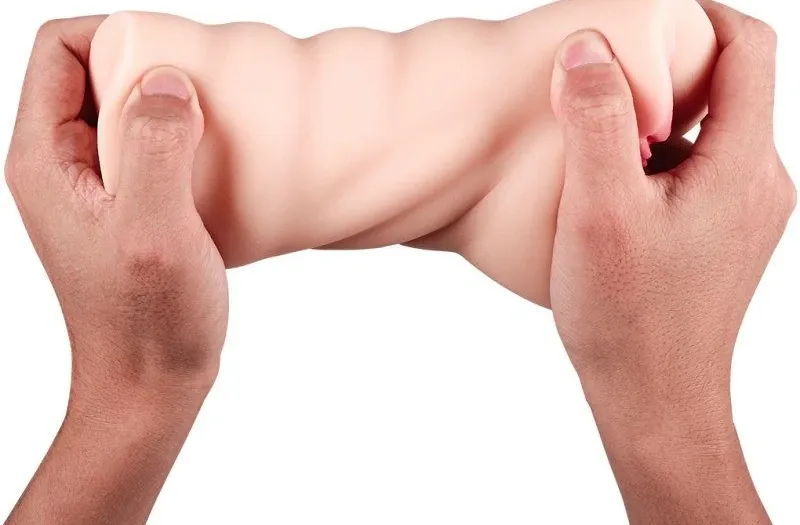
For sleeves specifically, there is a longer treatment in how to clean a masturbator sleeve, including how the drying method changes with the design.
Anything with a motor
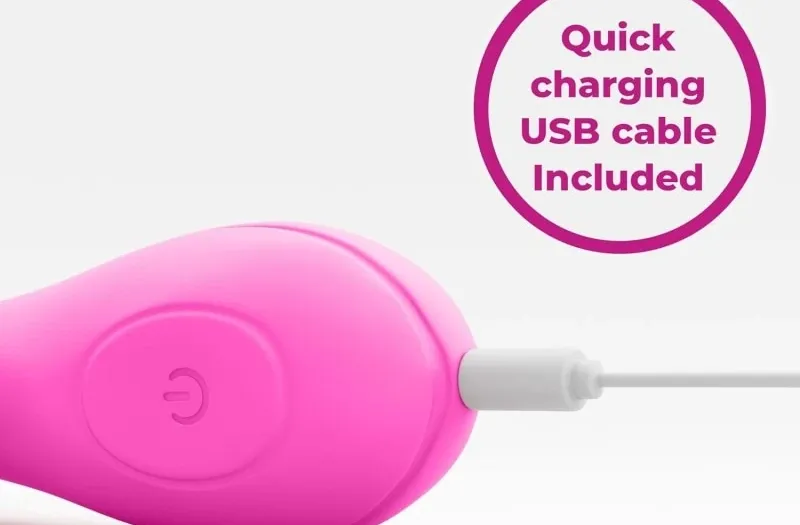
This is the rule that saves products: never immerse the motor section in water, even if the product carries a waterproof rating. A rating describes what the product tolerates in use, not what its electronics want from a washing-up bowl.
| Step | What to do |
|---|---|
| Before storage | Charge the unit rather than leaving it flat for months |
| Every clean | Wipe the housing, the buttons and the charging contacts with a damp cloth |
| Removable parts | Take the sleeve or attachment off and wash that separately, following the material rules above |
A battery left empty for a long time is one that stops holding charge, and a motor that has taken on water is a product that is finished. The automatic cup comparison covers the difference between caring for a manual product and an electronic one, and the male masturbators range lists which products have a removable sleeve — the one design detail that makes this routine easy rather than fiddly.
Storage
Store in a cool, dry place, ideally in a pouch or a case rather than loose in a drawer — our storage and care range covers both.
Three rules do most of the work:
- Nothing goes away damp. Not for an hour, not “just overnight”.
- Keep soft materials apart. Silicone and TPE pieces in prolonged contact can react and bond. Separate pouches solve it.
- Keep it out of direct light and heat. Heat distorts TPE and can crack silicone. A drawer is better than a windowsill.
If you share a home, a lockable case does double duty: it protects the material and keeps the contents private. That second function is worth taking seriously rather than treating as an afterthought — see how to buy sex toys in Oman for how discretion works on the delivery side.
| Where it ends up | Verdict |
|---|---|
| Pouch or case, dry, in a drawer | Best |
| Loose in a drawer with other items | Acceptable, but collects lint and can scratch |
| In its own sealed bag while damp | Never |
| On a windowsill or radiator | No — heat and light damage |
| In a shared bathroom cabinet, damp | No |
When to replace
Porous items wear out. This is normal and expected, not a sign of a bad purchase.
| Signal | What it means | What to do |
|---|---|---|
| Surface is tacky and stays tacky after powdering | The material has broken down; powder is no longer holding it | Replace |
| Torn, split or pitted | Physical damage — and a place bacteria can sit | Replace |
| Changed colour or smell and cleaning does not fix it | Material degradation, not surface dirt | Replace |
| Lost its shape, or the finish has worn through | Structural wear | Replace |
| A coated or plated item where the coating has worn | The exposed layer beneath is not the body-safe surface | Replace |
| Surface is tacky only until you powder it | Normal for TPE — this is what powder is for | Keep, and keep powdering |
Treated well, silicone lasts years. TPE has a working life measured in months of regular use, and how long that life runs is mostly decided by how well it was dried.
If you are replacing a porous item, it is worth moving to silicone where the category offers it — the vibrators and dildos ranges both carry silicone options, and how to choose a body-safe toy explains how to tell them apart before you buy.
A note on cleaning products
You do not need a cupboard of specialist supplies. Three things cover almost everything:
| What to use | What it is for |
|---|---|
| A dedicated toy cleaner | The routine wash |
| Warm water | Rinsing |
| Renewing powder | Porous materials only |
What you should avoid: household soap and shower gel (films and residues), antibacterial wipes with alcohol (drying and damaging to softer surfaces), bleach or anything harsh, and putting toys through a dishwasher unless the manufacturer explicitly says the item is dishwasher-safe.
A water-based lubricant belongs in the same drawer, and it is worth knowing why it is the safe default: it is the one type that will not degrade a silicone surface. See how to choose a lubricant for the full comparison, or the water-soluble lubricant we stock as a starting point.
The short version
Rinse, clean, rinse, dry completely, powder if it is porous, and store it dry and apart. Wash new items before first use. Never immerse a motor. If you take one thing from this article, take the drying — it is the step that decides whether the product you bought is still good next year.
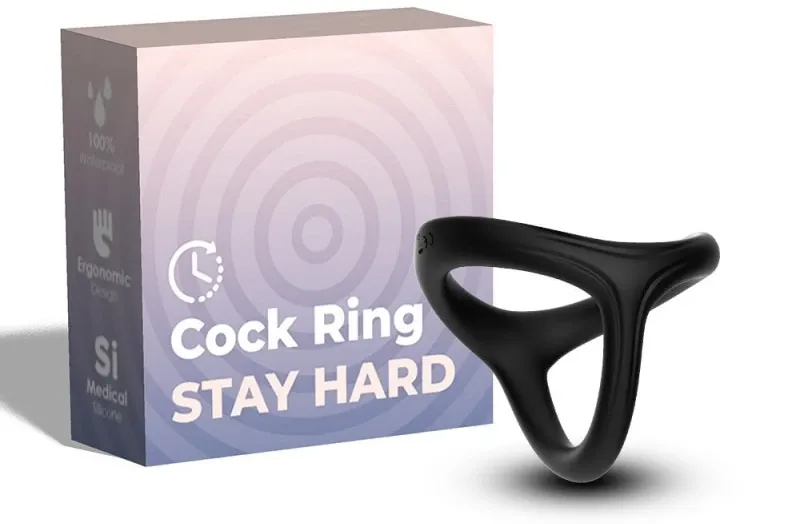
For the material side of the same decision, see how to choose a body-safe toy. For product-specific routines, see how to wear a cock ring safely the suction cup dildo guide and the torso doll guide. And if something here does not match the product you have, ask us rather than guess.